This post may contain affiliate links. I may earn a small commission at no extra cost to you.
For years, peptides in skincare were quietly listed on ingredient labels while retinol and acids dominated the spotlight. They were often described as “gentle,” “supportive,” or worse — “not strong enough.” But in 2026, peptides are back in conversations everywhere. So what changed?
Here are 10 reasons peptides are making a serious comeback — and why they may deserve a place in your routine.
1. The Skin Barrier Era Is Here
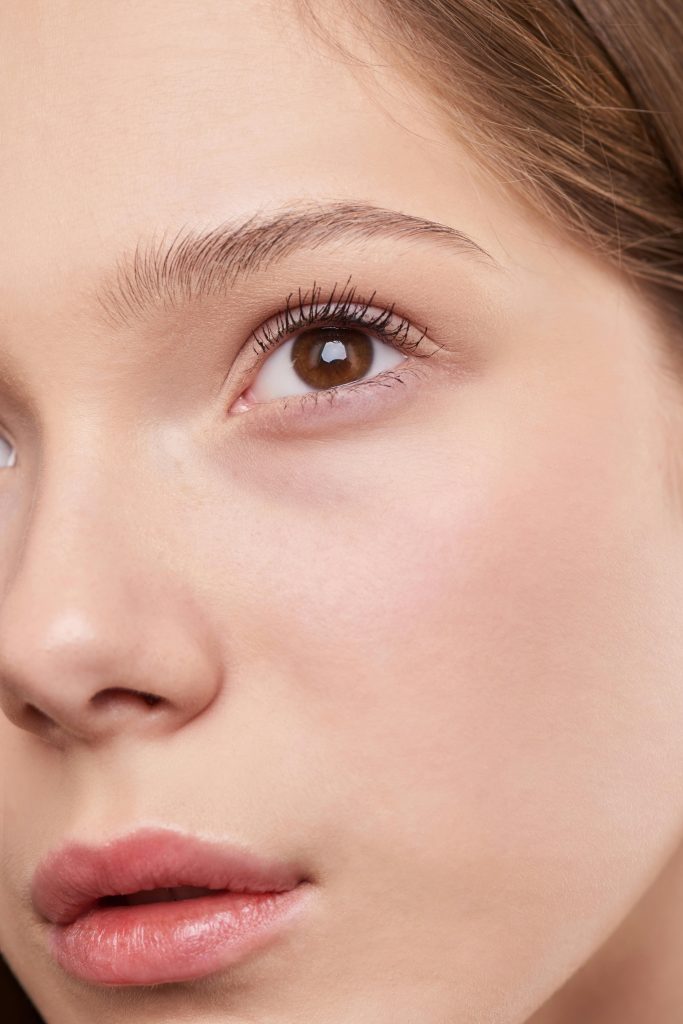
The biggest shift in skincare? Barrier-first beauty.
After years of over-exfoliation, many people are dealing with:
- Sensitivity
- Redness
- Thinning skin
- Irritation from strong actives
Peptides support repair without stripping or inflaming the skin. That makes them perfectly aligned with 2026’s gentler approach to skincare.
2. “Slow Aging” Replaced Aggressive Anti-Aging
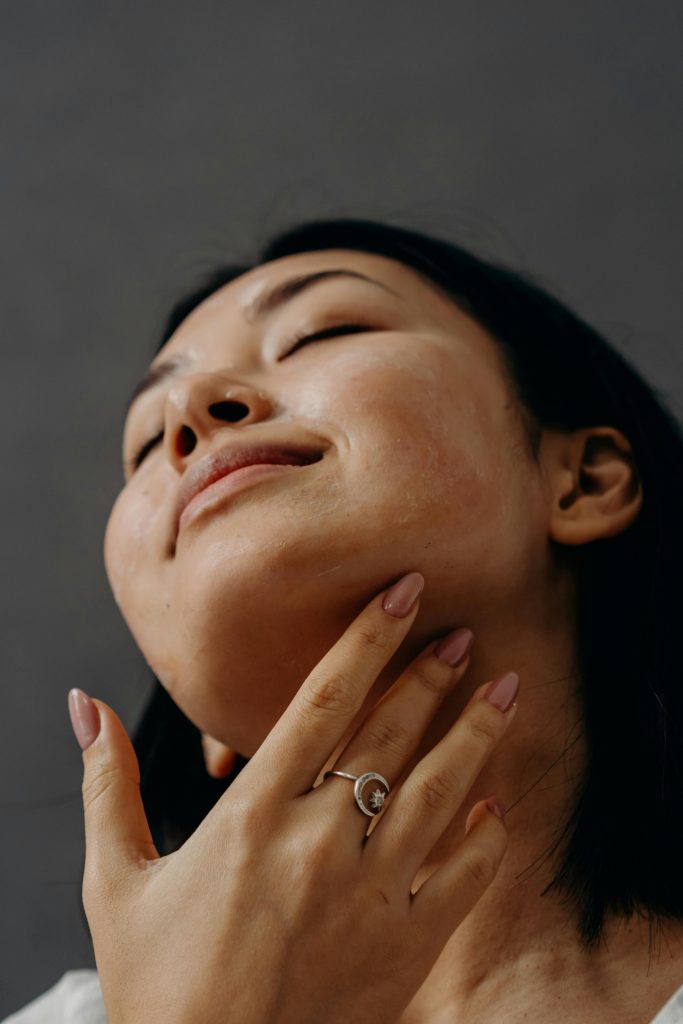
The old mindset focused on reversing aging fast. The new mindset focuses on maintaining healthy skin long term. Peptides don’t aggressively resurface the skin. Instead, they send signals that encourage collagen production over time. It’s subtle. It’s steady. And it fits the new skincare philosophy.
3. Early Peptide Formulas Weren’t Very Effective

Let’s be honest, part of the reason peptides were ignored is because early formulas weren’t great.
In the early 2010s:
- Concentrations were often too low
- Stability was inconsistent
- Delivery systems were weak
Many products included peptides for marketing appeal rather than real performance. That’s changed.
4. Modern Formulations Are More Advanced
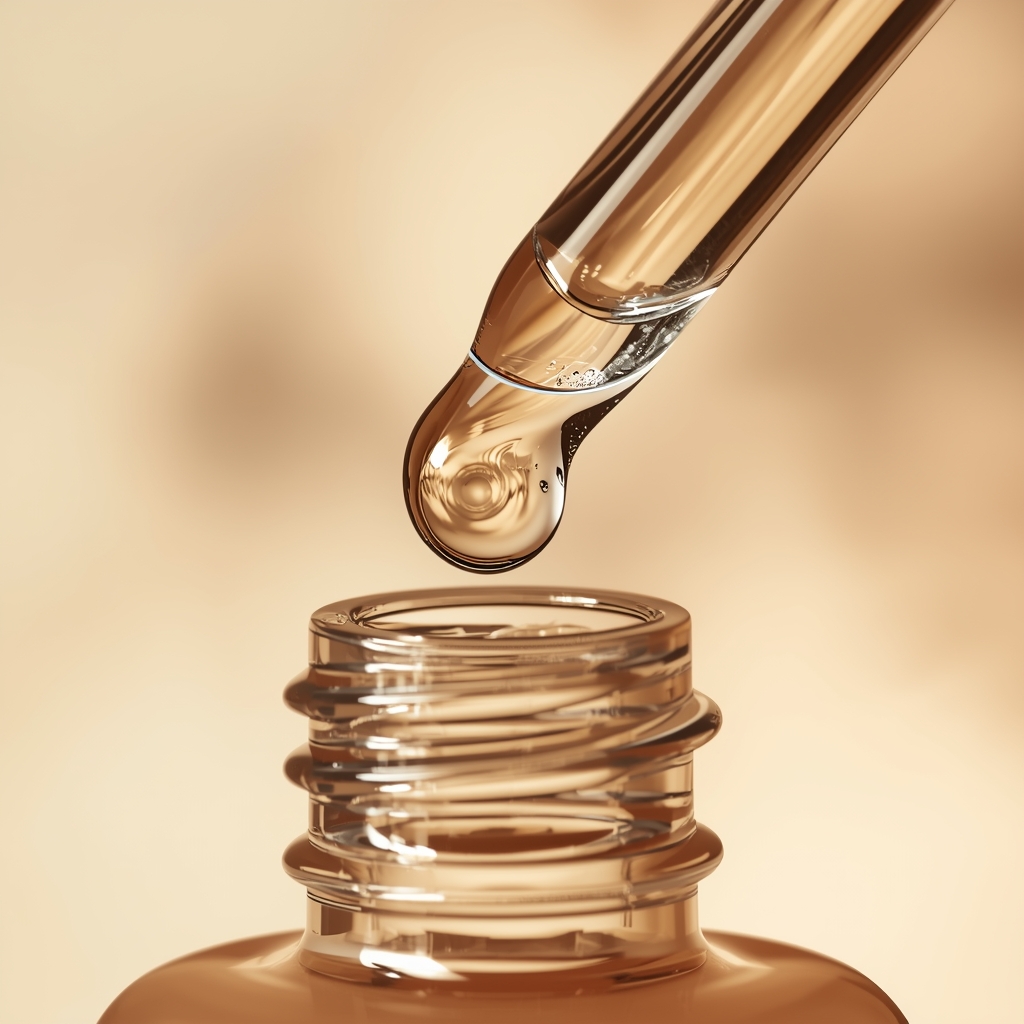
Today’s peptides skin care products use:
- Better encapsulation technology
- More stable peptide complexes
- Improved ingredient synergy
Formulators now understand how to protect peptides so they actually reach the skin intact. This has significantly improved real-world results.
Modern peptide formulas are far more advanced than early 2010s versions. Look for products that combine peptides with hydrating ingredients like hyaluronic acid or ceramides, and choose airless packaging when possible.
Some well-formulated peptide serums worth exploring include:
• Nature Republic The First Peptide Boosting Serum – Niacinamide, Adenosine, Hydrating & Firming Facial Serum
• Geek & Gorgeous – Power Peptides
• numbuzin No.9 NAD+ BIO Lifting Serum for Glow, Firming & Wrinkles, Peptide Facial Serum
5. They’re Gentler Than Retinol
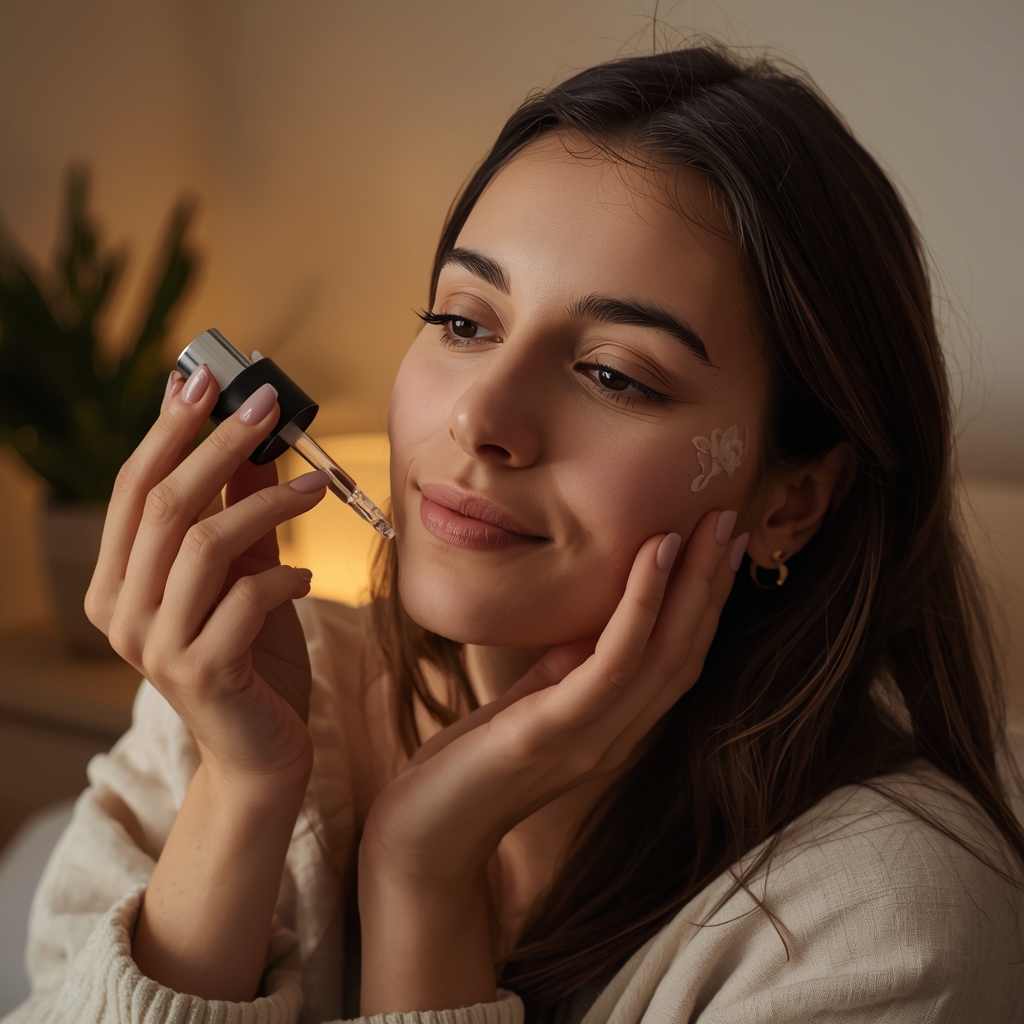
Retinol is still powerful — but not everyone tolerates it. Peptides offer collagen-supporting benefits without:
- Peeling
- Purging
- Stinging
- Barrier damage
For beginners or sensitive skin types, peptides are often easier to introduce. That alone makes them more appealing in 2026.
If you’re new to peptides and want something gentle, lightweight peptide serums or peptide moisturizers are usually the easiest starting point.
Here are a few beginner-friendly options:
• COSRX 6X Peptide Collagen Booster Toner Serum with Copper Peptides, Niacinamide & Hyaluronic Acid Skin Renewal Boosting Facial Essence for All Skin Types
• Mad Hippie Corrective Peptide Serum for Face
• Naturium Multi-Peptide Advanced Serum
6. Dermatologists Are Re-Evaluating Their Role

Dermatologists increasingly view peptides as supportive ingredients rather than replacements for stronger actives.
They’re now commonly recommended for:
- Barrier recovery
- Post-retinol routines
- Preventative anti-aging
- Sensitive or reactive skin
Instead of competing with retinol, peptides often complement it.
7. They Work Well in Layered Routines
Modern skincare is about smart layering.
Peptides pair well with:
- Ceramides
- Niacinamide
- Hyaluronic acid
- Even retinol (when used correctly)
Because they’re generally non-irritating, they fit easily into both simple and advanced routines. That flexibility makes them practical.
8. Consumers Are Tired of Irritation
Many skincare users went through a phase of overusing strong actives. The result? Compromised barriers and increased sensitivity.
Now people are looking for ingredients that:
- Strengthen skin
- Support elasticity
- Improve texture gradually
Peptides benefits are long-term — and that’s exactly what many consumers want now.
9. They’re Being Used Beyond Just Anti-Aging
Peptides for skin aren’t just about wrinkles anymore.
Research has explored their role in:
- Supporting wound healing
- Improving elasticity
- Strengthening the skin structure
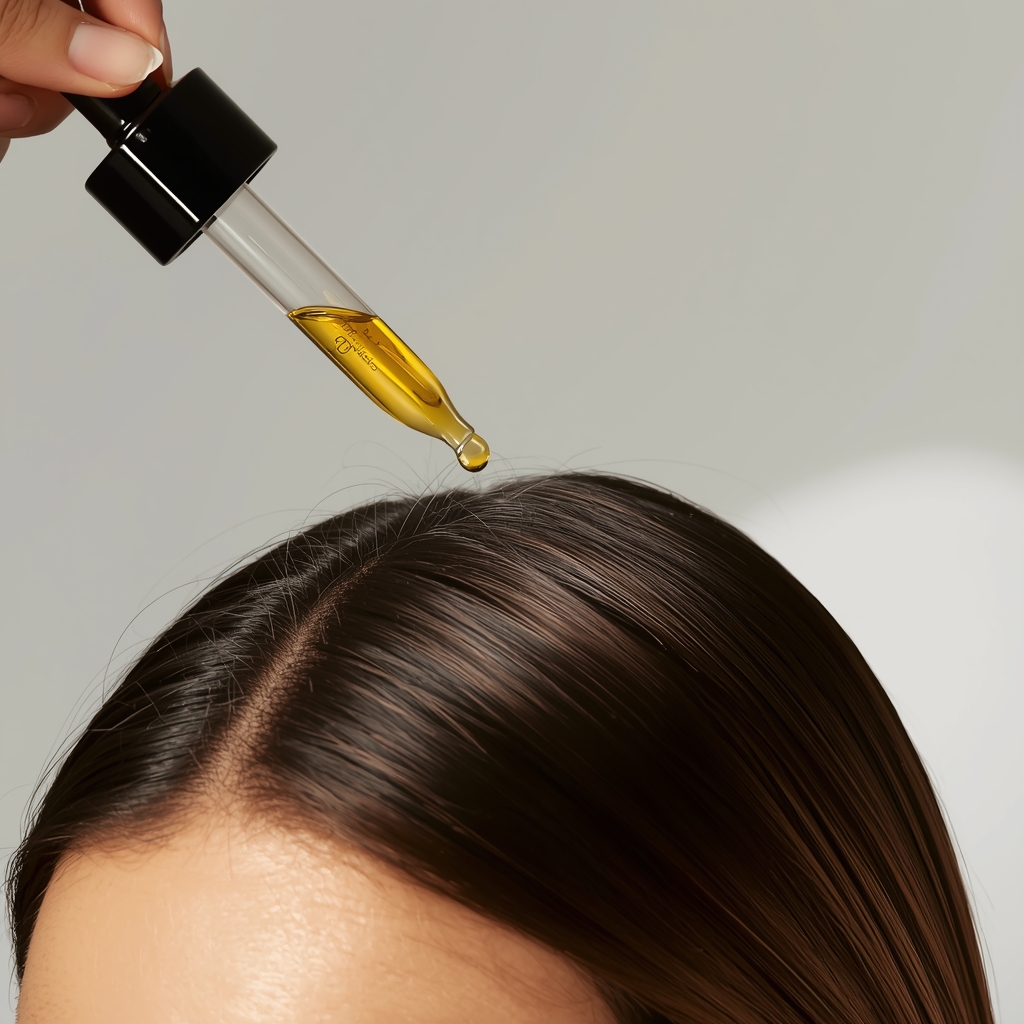
Certain peptides, like copper peptides, are even studied for scalp health and supporting hair growth. That multifunctional potential is increasing interest again.
10. Education Around Peptides Has Improved
Woman at a desk researching skincare ingredients on laptop while holding a peptide serum
Ten years ago, most consumers didn’t understand what peptides did. Now? Skincare education is everywhere.
People understand that:
- Collagen declines with age
- Barrier health matters
- Gentle signaling ingredients can be powerful
As education improves, so does appreciation for ingredients that work quietly in the background.
So, Are Peptides Worth It in 2026?
Peptides were never truly ineffective. They were overshadowed. Early formulas underperformed. Marketing favored aggressive actives. Consumers wanted fast results. But skincare priorities have evolved.
In 2026, peptides in skincare align with what people actually want:
- Long-term collagen support
- Barrier-friendly formulas
- Prevention over correction
- Gentle but consistent results
They may not deliver overnight transformations. But they support your skin in a way that fits modern routines. And that’s why they’re making a comeback.
If you’re new to peptides skin care and wondering where to start, my next guide will break down how beginners can introduce them safely and effectively. Because choosing the right formula makes all the difference.