If you’ve been hearing about peptides everywhere but still feel confused, you’re not alone. Peptides skin care can sound intimidating at first, but it’s actually one of the most beginner-friendly categories you can add to your routine.
This guide will walk you through what peptides are, whether beginners really need them, when to start using them, how to patch test properly, and what to pair (or not pair) them with.
This post may contain affiliate links. I may earn a small commission at no extra cost to you.
What Are Peptides?
Let’s keep this simple.
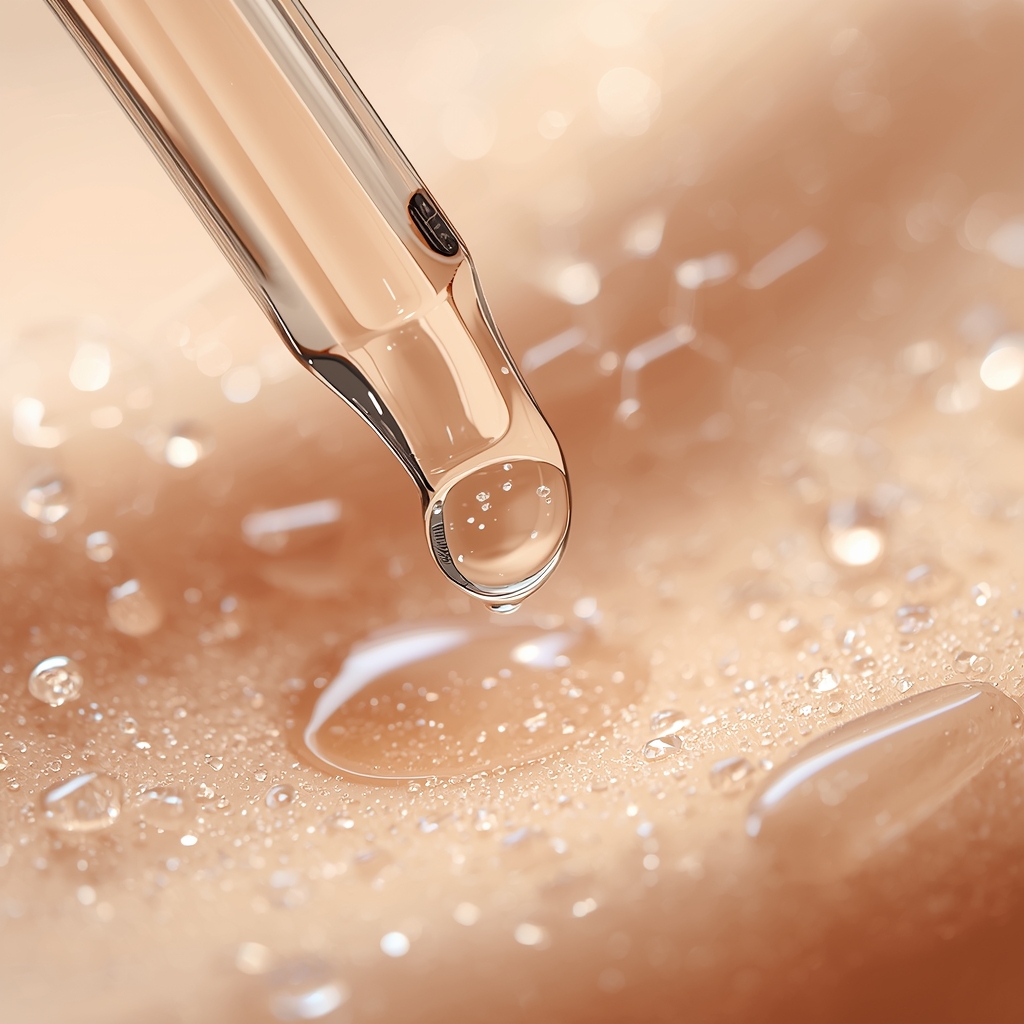
Peptides are short chains of amino acids — and amino acids are the building blocks of proteins like collagen and elastin. Collagen is what keeps your skin firm, bouncy, and smooth. As we age, collagen production naturally slows down.
When you use peptides for skin, you’re essentially sending signals that tell your skin to support collagen production and maintain its structure. Think of peptides as little messengers reminding your skin to stay strong and resilient.
Unlike harsh actives, peptides are generally gentle, making them ideal for beginners who want results without irritation.
If you’re new to peptides skin care, a great starting option is medicube PDRN Pink Peptide Serum with Salmon DNA. It combines multiple peptides with hyaluronic acid for hydration, making it beginner-friendly and easy to layer. Another simple option is COSRX The 6 Peptide Skin Booster Serum, which feels lightweight and works well if you’re just transitioning from basic skincare into treatment products.
The Benefits of Peptides for Beginners
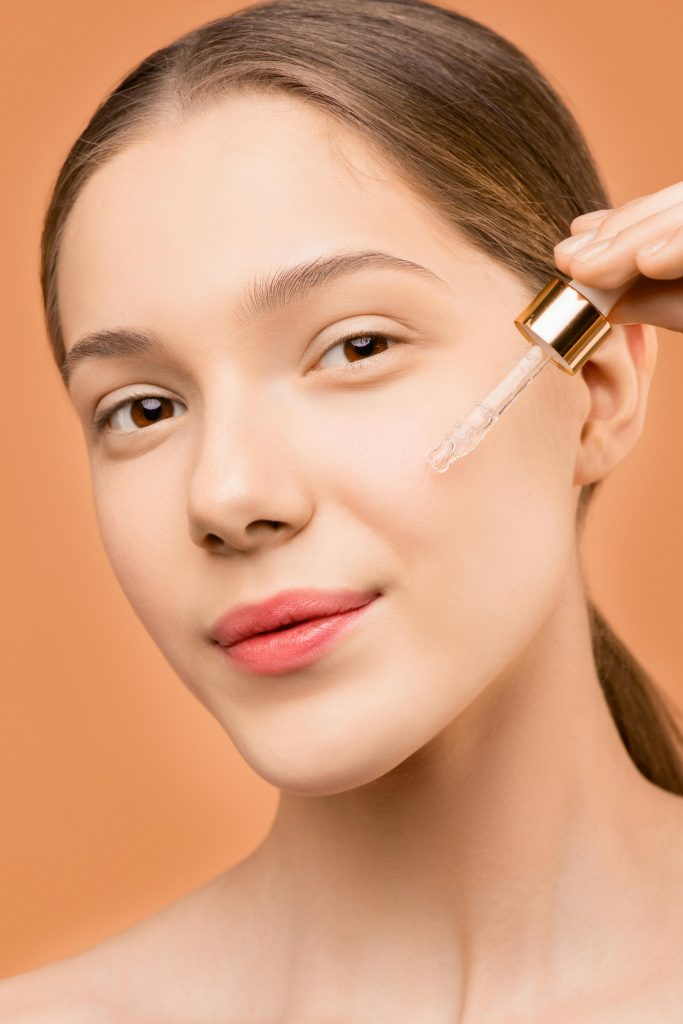
Peptides are especially beneficial if you’re looking for gentle, preventative skin care.
One of the biggest benefits of peptides for skin is their ability to support collagen production, which helps maintain firmness and elasticity over time. As collagen naturally declines with age, peptides help reinforce your skin’s structure before visible signs of aging become more noticeable.
Peptides also strengthen the skin barrier, helping your skin stay resilient against environmental stressors. This means better moisture retention, smoother texture, and less sensitivity overall.
Another advantage of peptides for beginners is that they work gradually without causing irritation. Unlike stronger actives that can lead to dryness or peeling, peptides are generally well-tolerated and easy to incorporate into a simple routine.
When Should You Start Using Peptides? (20s? 30s?)

You don’t need to wait for visible wrinkles to start peptides.
In your early 20s, peptides can be used as preventative skincare. Collagen production starts gradually declining in your mid-20s, so adding peptides at this stage supports long-term skin health.
In your 30s and beyond, peptides become even more beneficial because they help address early fine lines, loss of firmness, and texture changes.
If you’re in your 30s and starting to think about anti-aging but feel hesitant about retinol, peptides are a safe stepping stone. A formula like Olay Regenerist Micro-Sculpting Cream contains peptides and hydrators in one product, making it convenient for beginners who prefer fewer steps.
The key is consistency. Peptides aren’t a quick-fix ingredient — they work gradually over time.
How to Patch Test Peptides Properly
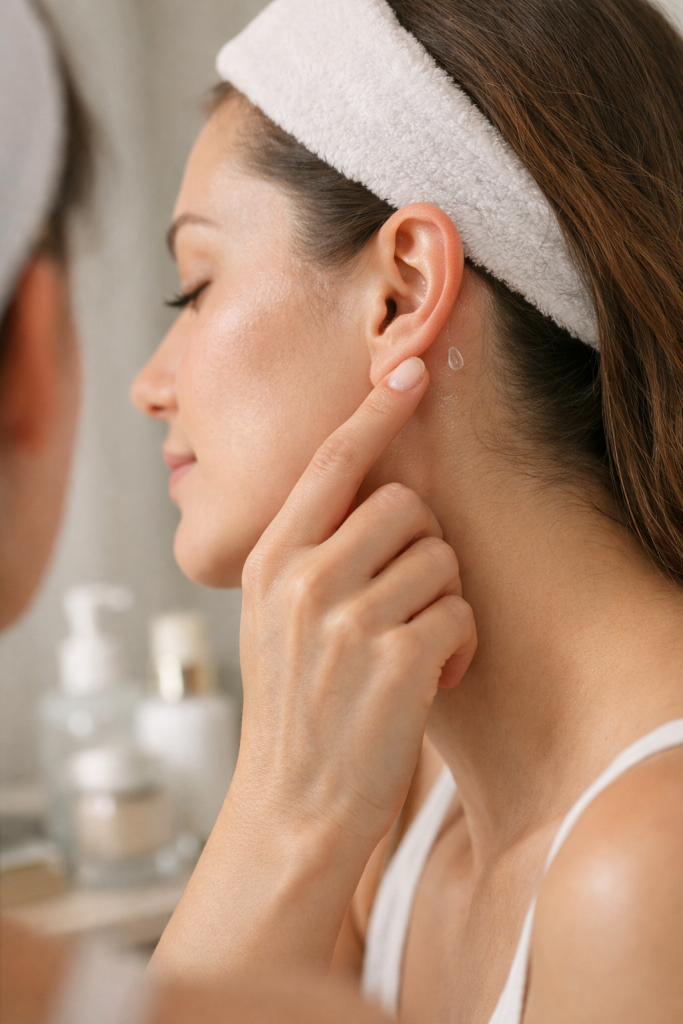
Even though peptides for skin are generally gentle, patch testing is still important — especially if you have sensitive skin.
Here’s how to do it correctly:
- Apply a small amount of the peptide product behind your ear or on your inner forearm.
- Wait 24 hours.
- Check for redness, itching, or irritation.
If nothing happens, you’re good to introduce it into your routine.
Start by using your peptide serum once daily, preferably at night. If your skin responds well, you can increase to twice daily.
Because peptide serums like Geek & Gorgeous – Power Peptides – Milky Serum with Multi-Peptides are lightweight, they’re usually applied after cleansing and before moisturizer.
What to Pair (and Not Pair) Peptides With
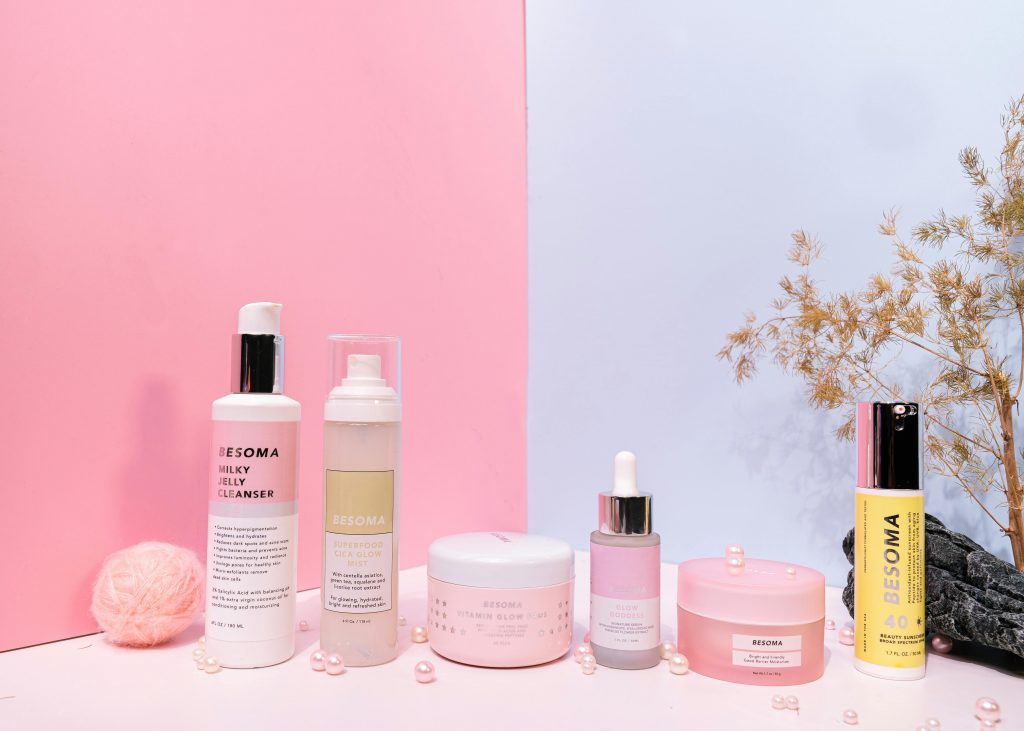
One of the best things about peptides skin care is how flexible it is.
Great ingredients to pair with peptides:
- Hyaluronic acid
- Ceramides
- Niacinamide
- Gentle moisturizers
- Sunscreen (always in the morning)
For example, you can layer a peptide serum and follow with a ceramide-rich moisturizer like CeraVe Moisturizing Cream to strengthen your barrier while supporting collagen.
What about acids and vitamin C?
Older advice suggested avoiding direct acids or low-pH vitamin C in the same routine as peptides. While newer formulations are more stable, beginners may still benefit from separating strong exfoliating acids and peptides into different routines (for example, acids at night, peptides in the morning).
Retinol can be paired with peptides, and in fact, they complement each other well. Retinol stimulates collagen production, while peptides help support and maintain skin structure. If you’re eventually introducing retinol, peptides can help buffer potential dryness.
Final Thoughts: Are Peptides Worth It for Beginners?
If you’re searching for peptides skin care for beginners, the answer is yes — they’re one of the safest and most adaptable ingredients to start with.
They’re gentle.
They’re preventative.
They layer well.
And they fit into almost any routine.
Start simple. Choose one well-formulated peptide product, use it consistently, and focus on hydration and sunscreen alongside it.
Skincare doesn’t have to be overwhelming. Peptides are one of the easiest ways to upgrade your routine without stressing your skin.